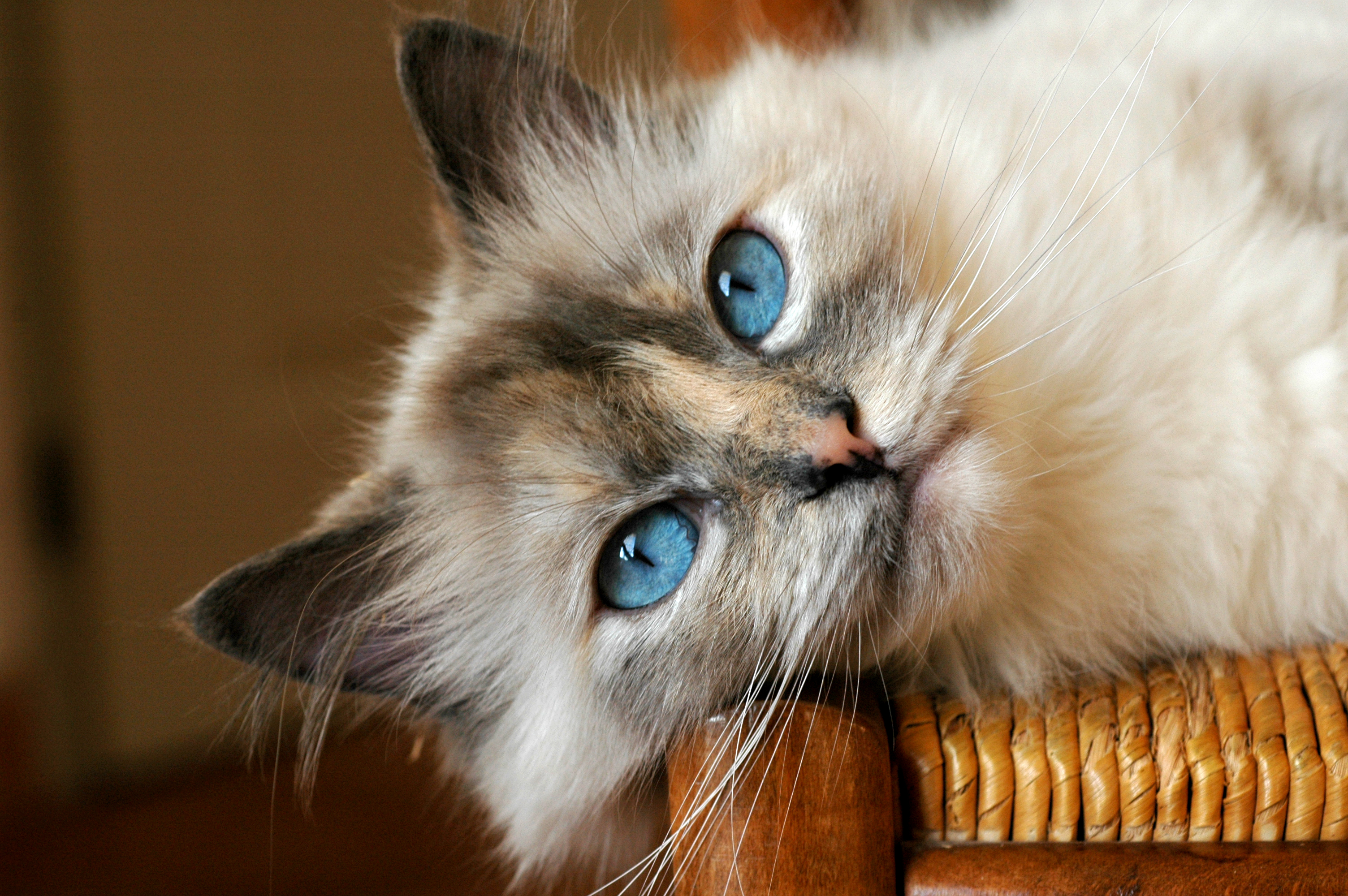
Welcoming your kitten

Welcoming your kitten

A kitten arrives with its own history, habits and need for security. An unfamiliar home, new smells and new companions are a lot to discover. Keep the first days calm, gentle and predictable. A little preparation and reassuring routines will help your kitten settle in.

Before adoption

Choose a carrier large enough for the adult Ragdoll your kitten will become. Prepare a quiet room, an accessible litter tray, separate bowls, a sturdy cat tree, scratching posts and hiding places. Add a few toys to make your kitten feel welcome.

A room prepared with a litter tray, beds, cat tree and bowls

Welcome home

Place the carrier in the prepared space, open the door and let your kitten come out on its own. Show it where everything is, then let it watch and explore at its own pace. Stay nearby and speak softly. Your reassuring presence, gentle attention and a little play will help build confidence.

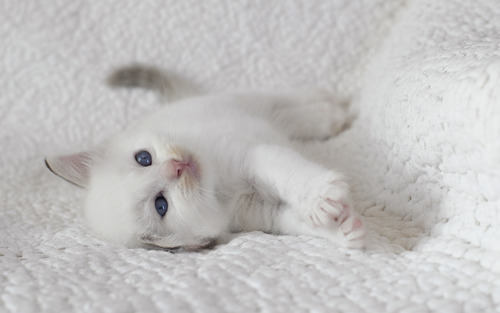
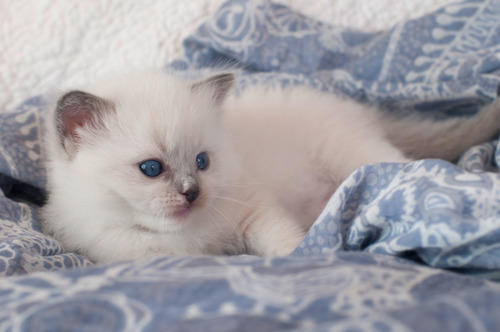
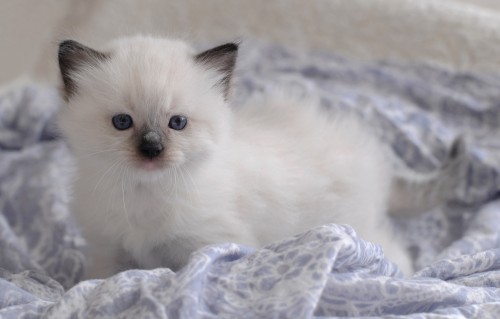
A Ragdoll kitten resting in its bed with toys

The first days

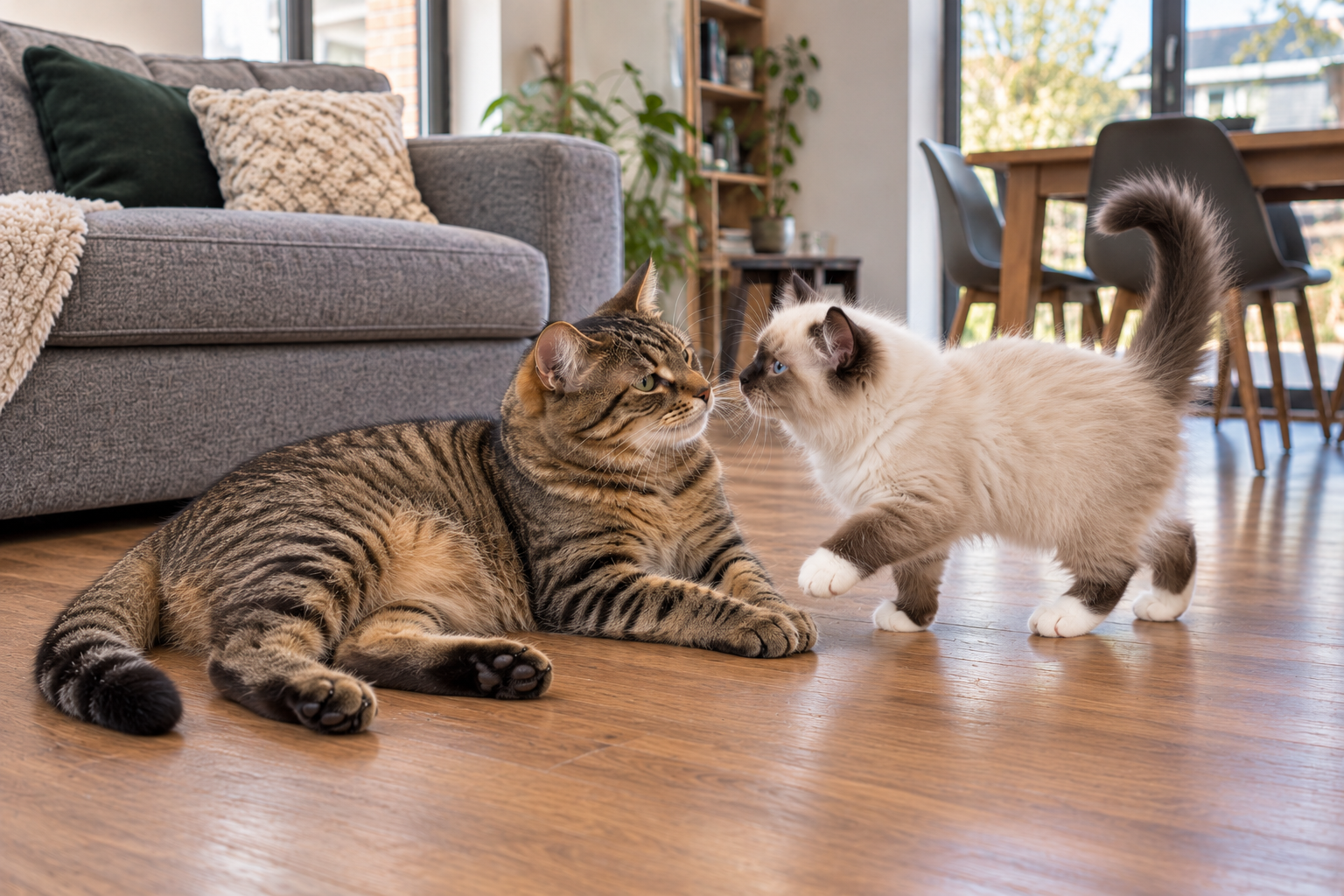
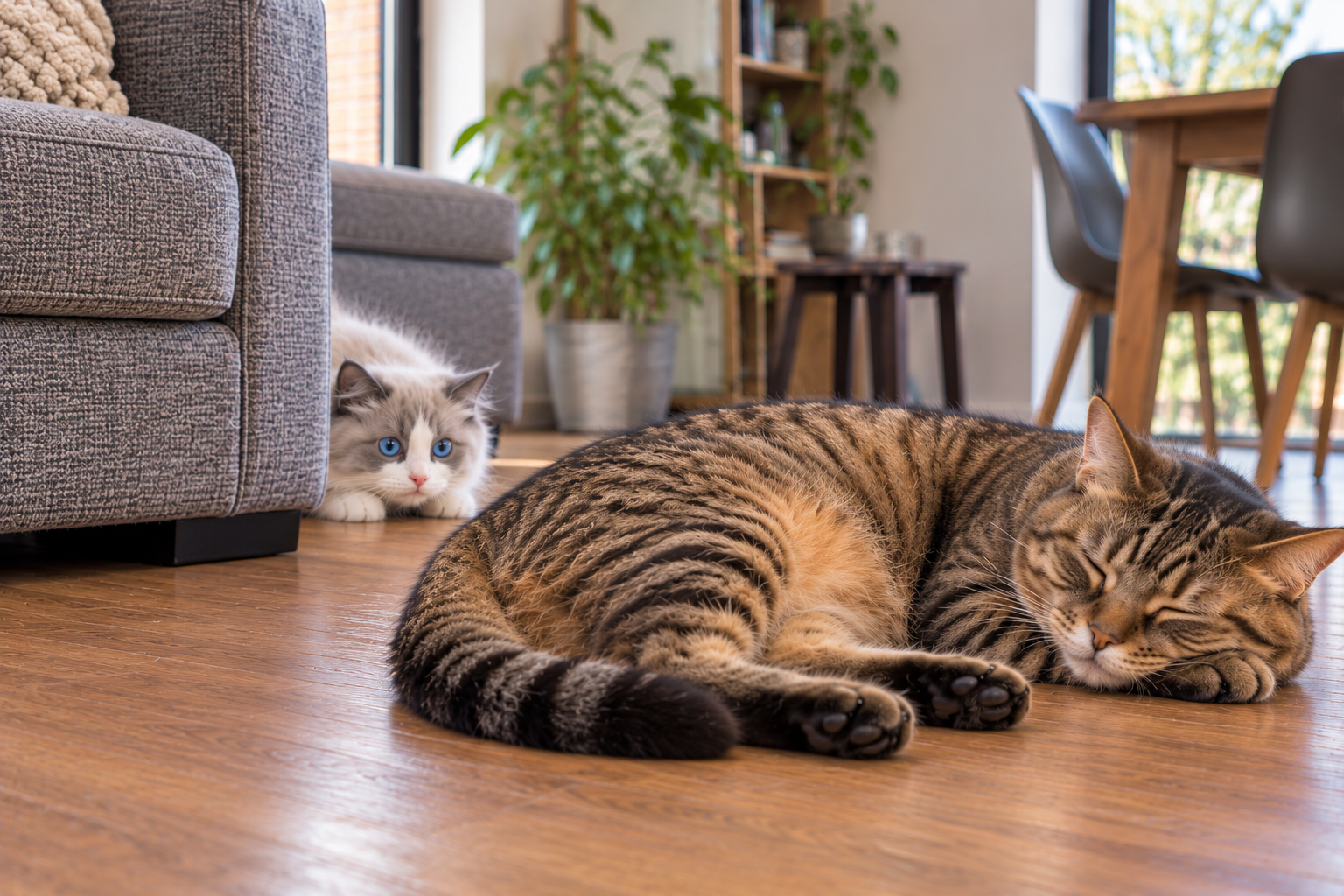
Introduce other animals gradually under supervision, initially keeping separate spaces, places to retreat and quiet access to food and the litter tray. Teach children to be gentle and respectful. If tension rises, space out the meetings and return to a calmer stage.

A Ragdoll kitten meeting a dog in a prepared room

Meals and everyday routines

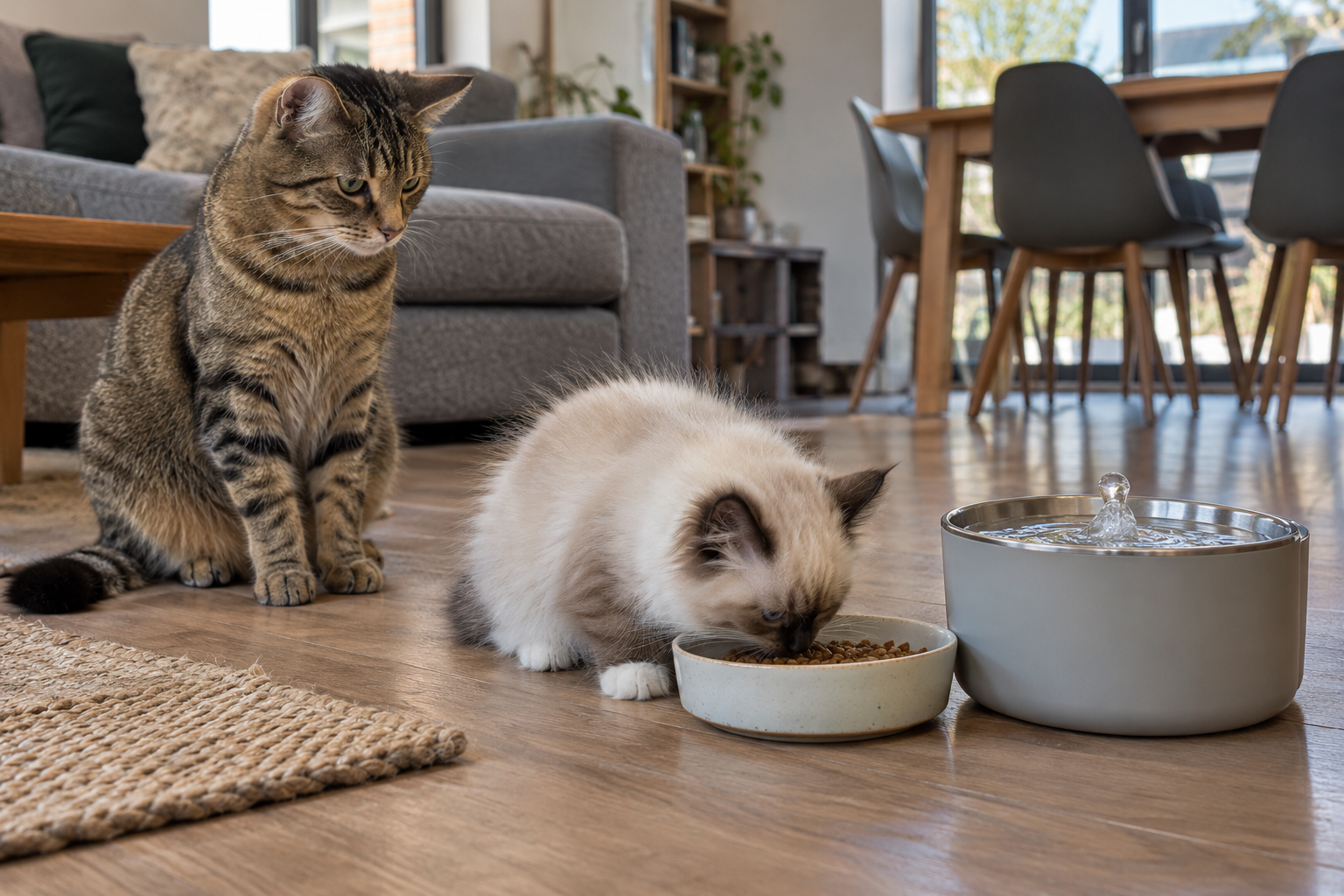
A feeding and resting area for a kitten

A gentle transition

Keep your kitten on its usual food when it arrives: moving home is already a big change. If you want to change its diet later, make the transition gradually.

Simple routines

Keep fresh water available and clean the bowls regularly. Maintain simple routines: meals, short play sessions and plenty of rest.

Play with suitable toys

Use toys rather than your hands so your kitten does not learn to bite them.

Regular care

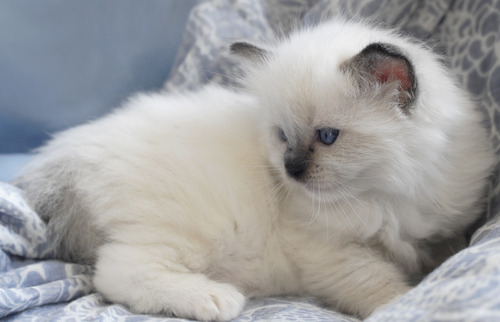
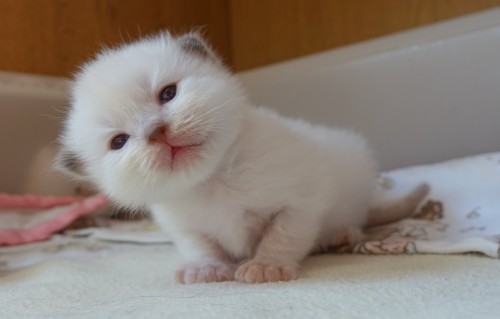
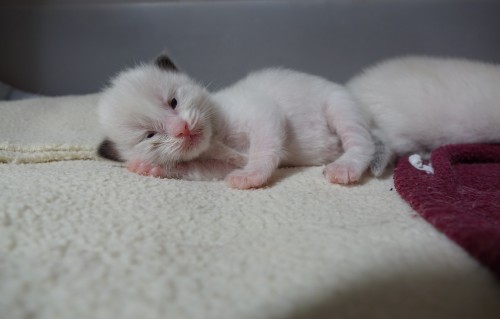
A Ragdoll kitten resting quietly in its bed

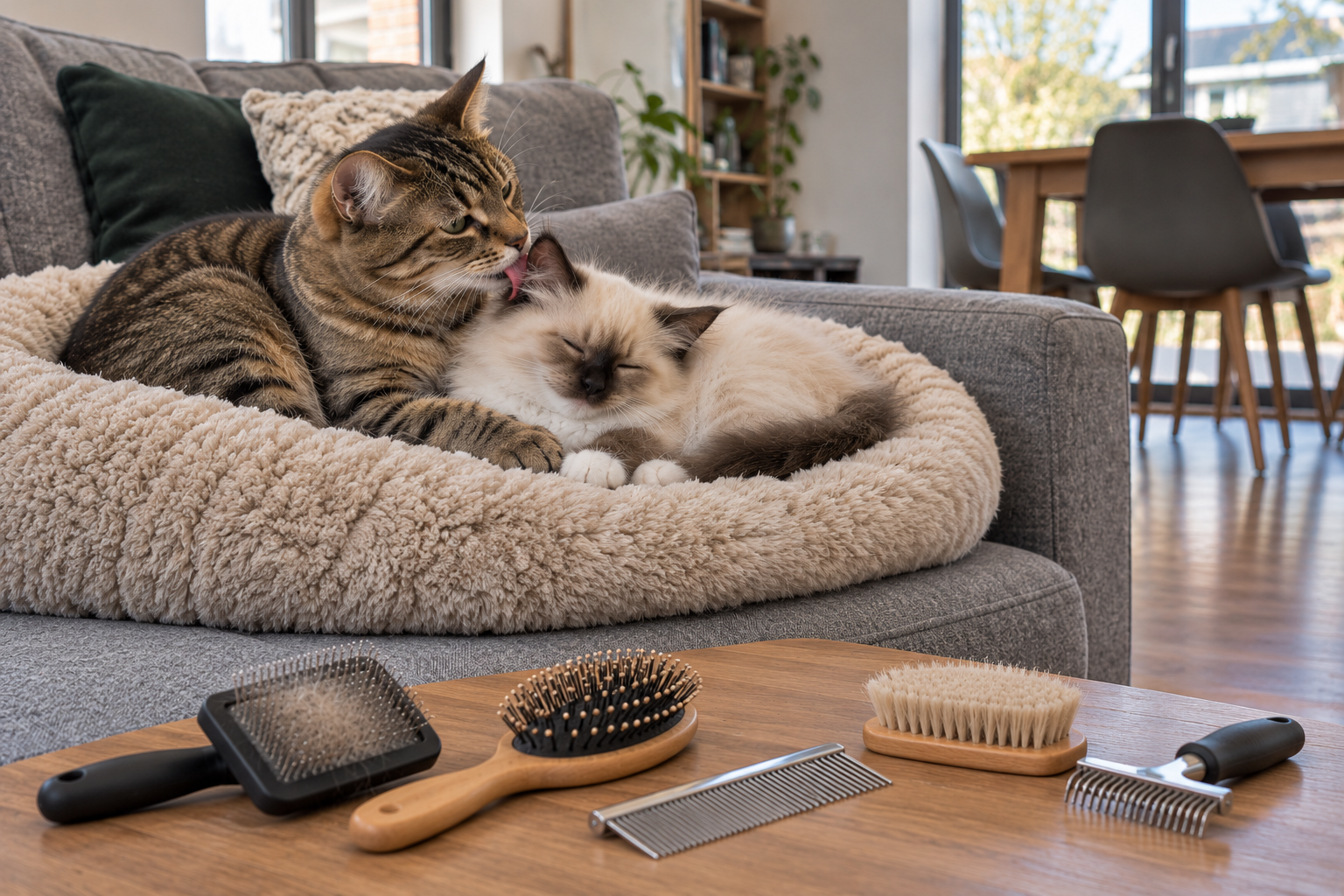
Brushing

Introduce short brushing sessions early, without pulling on tangles. Adjust the frequency to the coat and shedding periods, paying particular attention to the armpits, ruff and hindquarters.

Small everyday gestures

Use these moments to gently accustom your kitten to having its ears, paws and mouth examined.

Veterinary care

For vaccinations and parasite treatments, follow the health record and the programme agreed with your vet.

Understanding boundaries

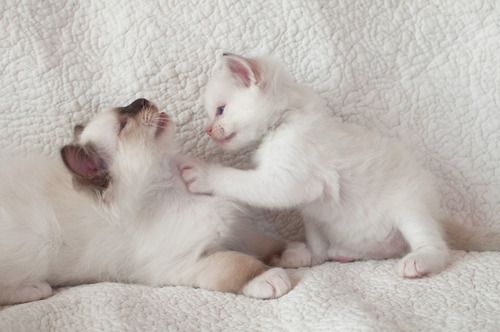
A kitten meeting a dog with patient supervision

Signs of relaxation

A relaxed body, a spontaneous, flowing approach and slow blinks often accompany a feeling of ease.

Warning signs

A rigid body, flattened ears, a lashing tail or a hiss mean you should stop contact immediately.

Observe your cat

Learn to understand what your cat is telling you. There are well-researched books about feline body language.

Misleading signs and common misconceptions

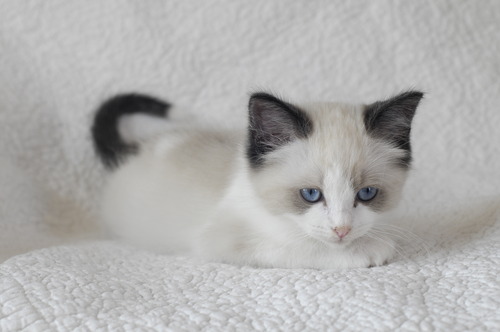
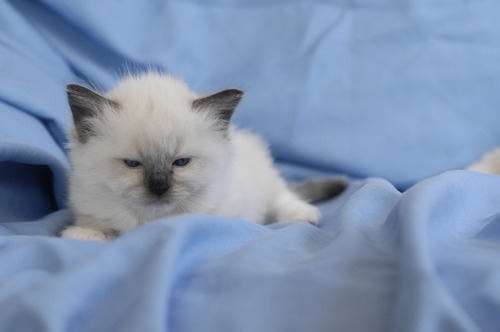
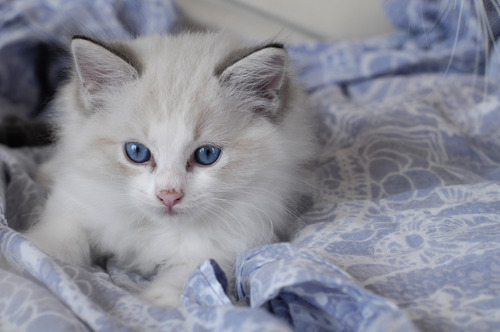
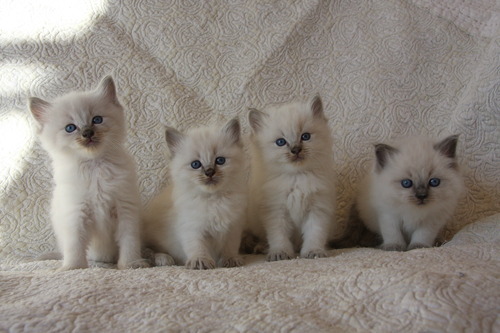
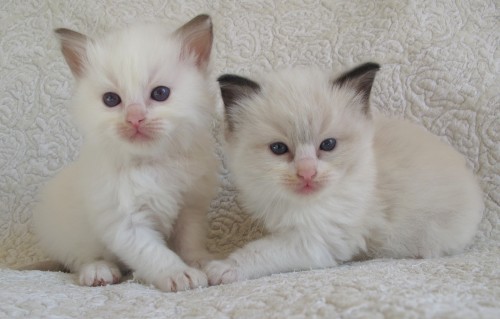
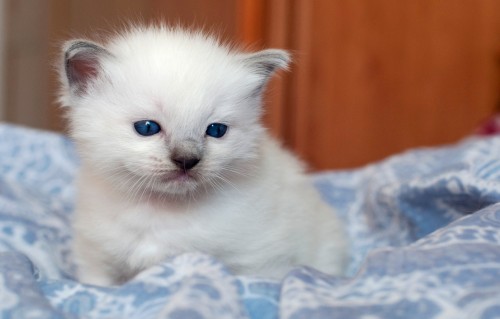
A little Ragdoll ready to join its new family

Unusual quietness

Purring is not always a sign of well-being: it can also accompany pain, injury or illness. Your kitten’s overall behaviour will tell you more. If it withdraws, stays hunched up or stops eating, contact your vet without delay.

Playing at being a cat

Flattened ears, a swishing tail and a low growl can also be part of a kitten’s dramatic play. It guards its food, chases the dog’s tail or dives like a snow fox onto your toes beneath the duvet. A normal cat, in other words!

A kitten is not a toy

A Ragdoll kitten’s tendency to go limp when lifted can conceal distress. It may remain motionless in the hands of a child who handles it roughly and suffer in silence. Set firm boundaries and teach children to handle it respectfully.

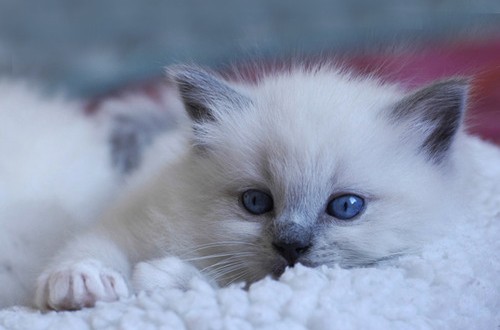
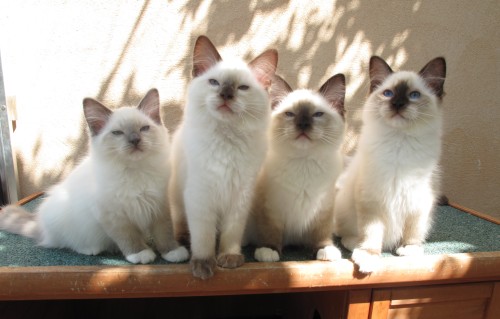
A little Ragdoll ready to join its new family

Helping your kitten settle in

We remain available

Here to help

Every kitten has its own personality and pace. Questions about its habits or settling in? Contact us: we will help you find your feet together.

Contact us

Le bonheur à portée de main

Beautiful Cats For Beautiful People

Un Ragdoll sinon rien