Getting to Know the Ragdoll
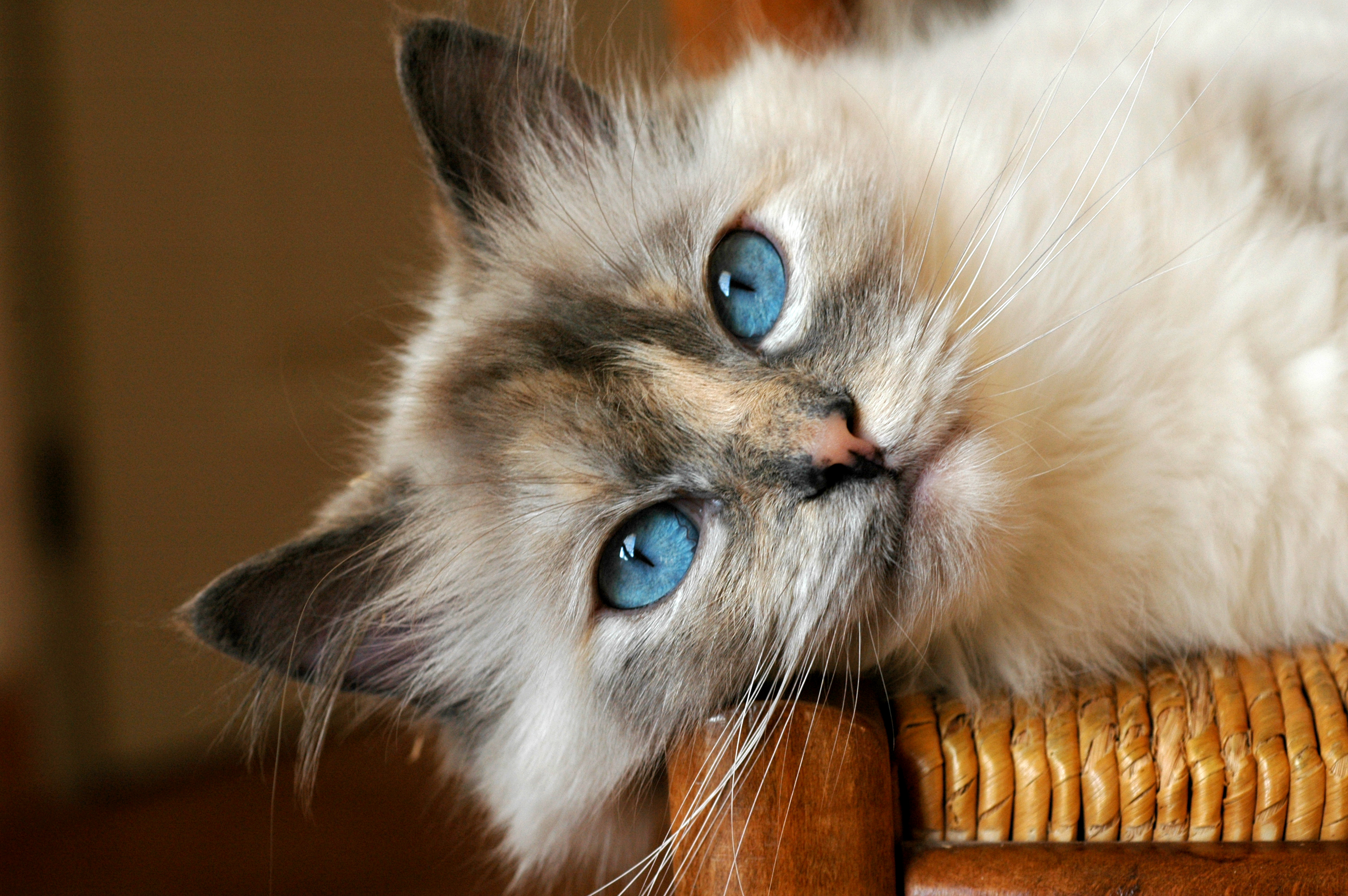
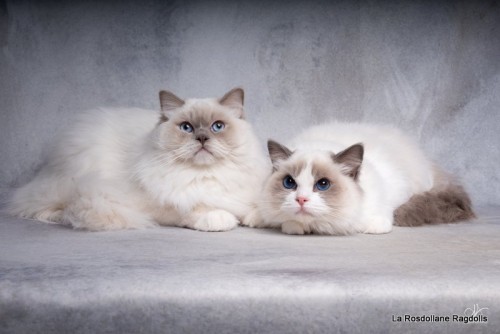
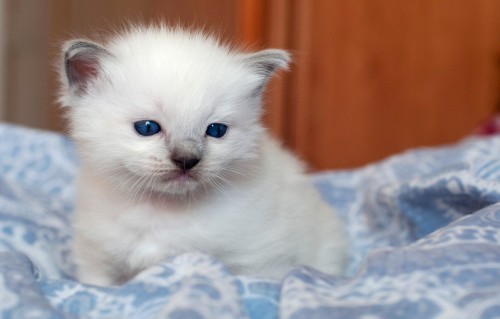
The Ragdoll first captivates with its appearance: large, luminous blue eyes full of expression, and a silky, lustrous coat that flows gracefully with every move. Yet what truly sets this breed apart is not beauty, it's temperament.
It is unique.
Unique in its gentle, sweet and calm nature, and in that mesmerizing gaze that expresses nothing but trust, devotion and affection.
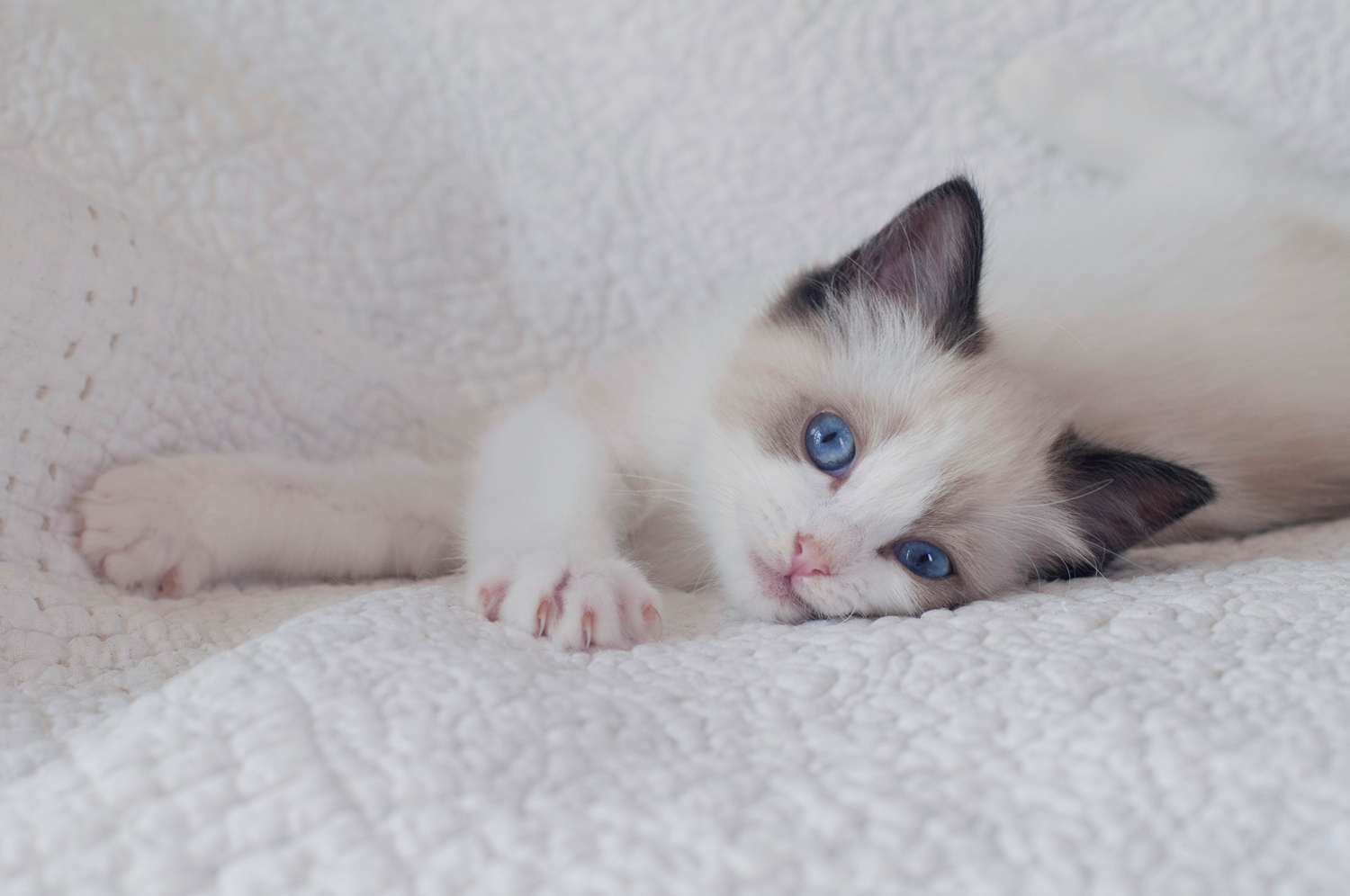
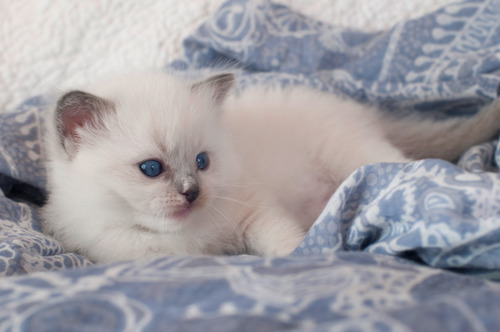
Haiku de La Rosdollane
We love the Ragdoll for its relaxed nature, its clumsy charm and its constant desire to be close to its people.
We love it for its majestic beauty, its powerful elegant silhouette, its soft colours and its intense blue eyes.
The popularity of the Ragdoll is no accident. Calm, easy-going, affectionate and adaptable, it naturally becomes part of family life.
Its name, which literally means “rag doll”, comes from its tendency to relax completely when held. Without resorting to clichés, no question that the Ragdoll stands out for its gentle disposition and its remarkable ability to form deep bonds with its beloved.
Personality
The Ragdoll is a character in its own right. Affectionate, devoted and sometimes just a little too involved in everything you do, this cat-dog companion likes to be part of family life. It greets you at the door, follows you from room to room, complains bitterly if you dare close the bathroom door, settles beside you to supervise your activities, and greatly enjoys simply sharing a peaceful moment by your side.
If the Ragdoll has any extreme qualities, they are its kindness and intelligence. Beneath that impressive size lies the exceptionally loving heart of a Big Friendly Giant.

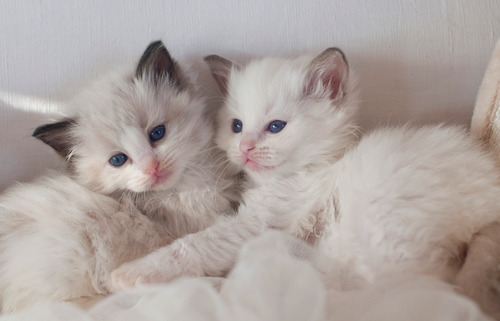
Gio de La Rosdollane
Naturally sociable, the Ragdoll generally gets along wonderfully with children, other cats and dogs — everyone is a friend. Its trusting and tolerant nature makes it an easy companion to live with, although that same confidence can leave it vulnerable outdoors. It thrives in a secure environment and flourishes best in a calm and harmonious home.
Moderately active and sometimes a little clumsy, the Ragdoll happily alternates between play sessions and long naps, often sprawled across the most improbable cushions and cosy spots. Not particularly territorial and generally adaptable, it usually travels well with its family. Its voice is soft and discreet, often replaced by an expressive gaze that says everything it needs to say.
Physical Characteristics
The Ragdoll is a large, powerful and well-balanced cat. Its body is described as semi-cobby, midway between the Persian and the Maine Coon, with strong bone structure, substantial musculature and harmonious proportions. Growth is slow, and full maturity is not reached until three to four years of age.
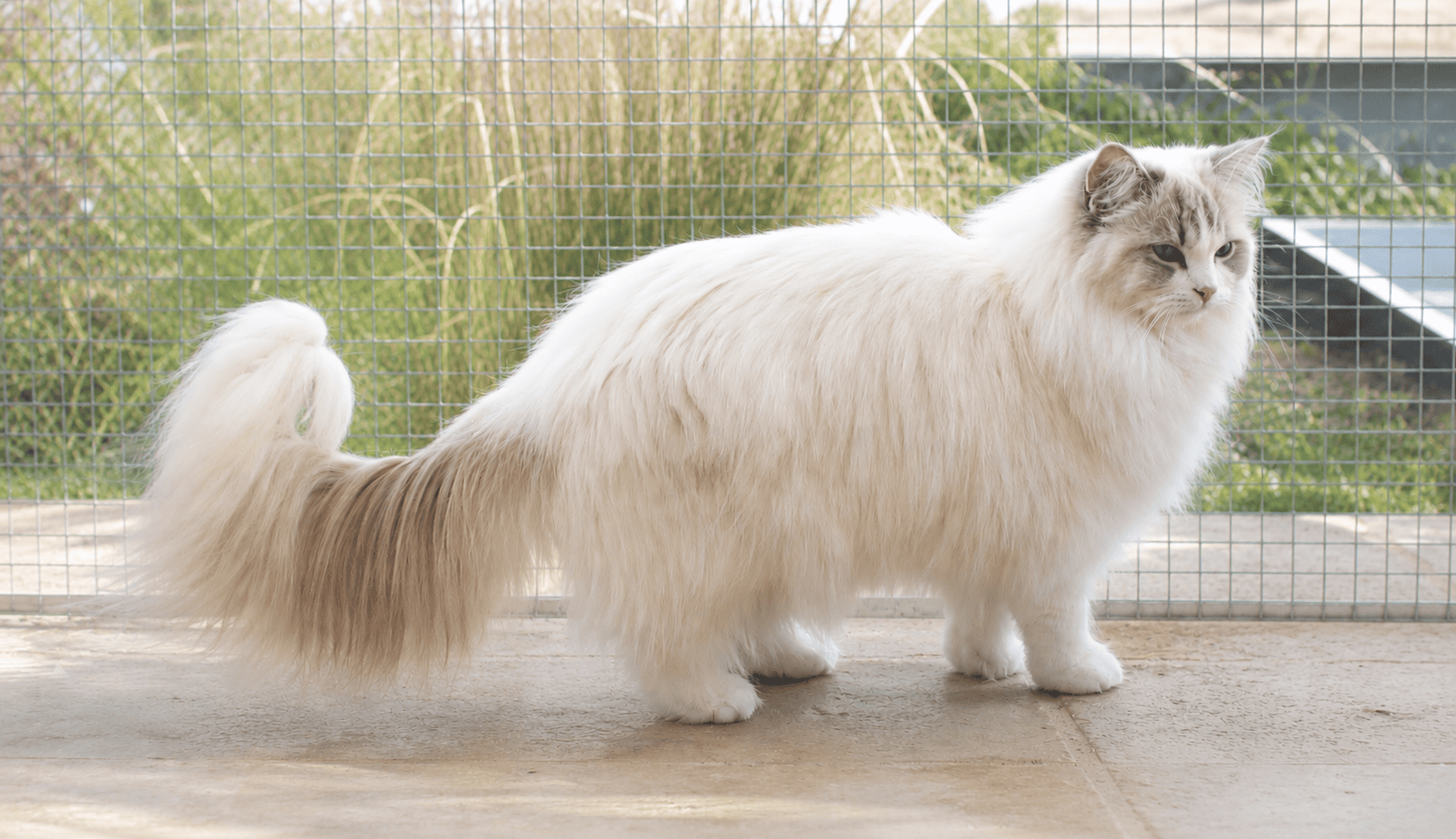
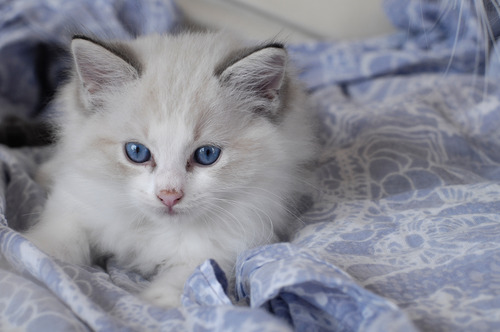
Flocon d'argent de La Rosdollane
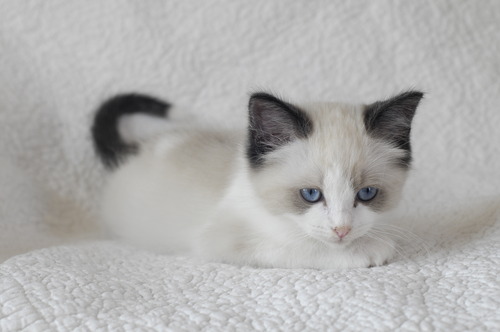
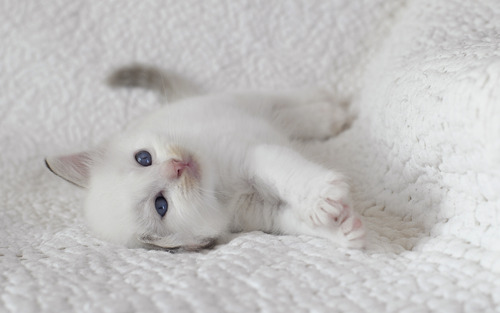
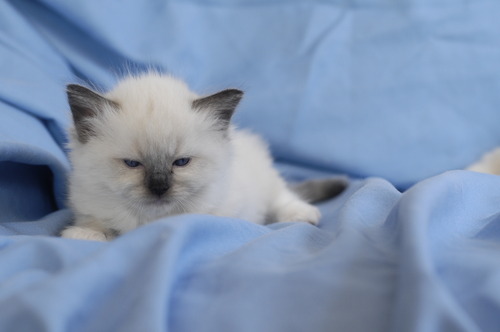
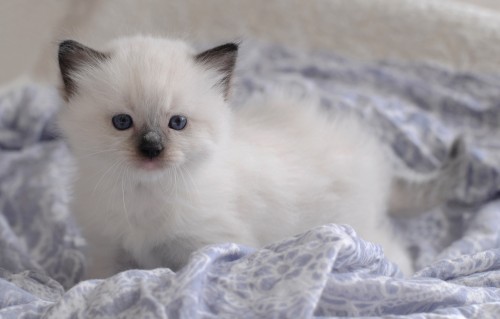
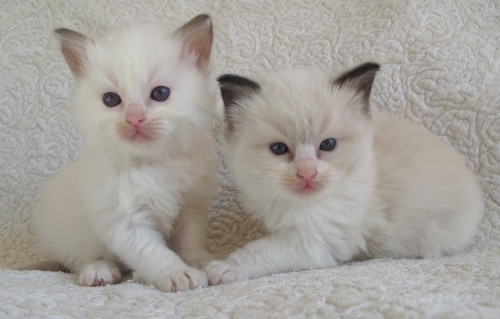
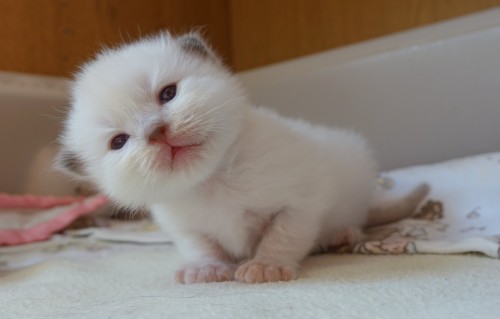
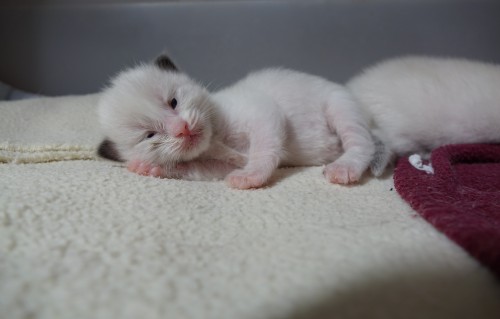
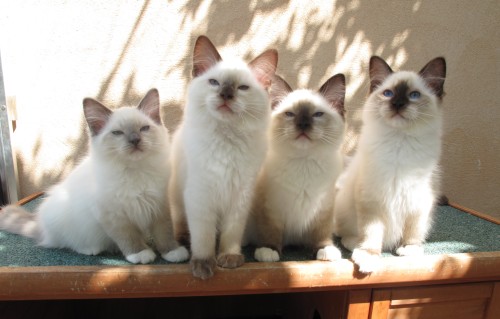
Its coat is semi-longhaired, silky and soft, with very little undercoat. This distinctive texture gives it the feel of cool silk and helps prevent matting, making grooming relatively easy. Always blue-eyed and colourpointed, the Ragdoll has a lighter body colour than its extremities — face, ears, legs and tail. The most common colours are seal, blue, chocolate, lilac and red, with many possible variations. Kittens are born white, and their colour develops gradually over the months and sometimes even years.
Further information can be found in the official LOOF breed standard.
Grooming
Despite its spectacular appearance, the Ragdoll is surprisingly easy to care for. Its semi-longhaired coat contains very little undercoat and rarely mats, making a weekly brushing session generally sufficient to maintain its natural beauty. Shedding, particularly during seasonal changes, remains moderate. As with all cats, regular attention to claws, teeth and overall condition contributes to long-term health and well-being.
Health and Longevity
The Ragdoll is generally a robust and healthy breed when the result of careful breeding. Our breeding cats are routinely screened for Hypertrophic Cardiomyopathy (HCM) and Polycystic Kidney Disease (PKD) through both genetic testing and regular ultrasound examinations. Calm by nature, the Ragdoll benefits from a high-quality diet and regular activity to maintain good physical condition. Strongly built and naturally heavy, it is important not to confuse its substantial weight with obesity. The fatty pouch on the lower abdomen is a normal and characteristic feature of the breed. Given proper care and living conditions, a Ragdoll can live to fifteen years of age and often well beyond.
Beyond the Ragdoll
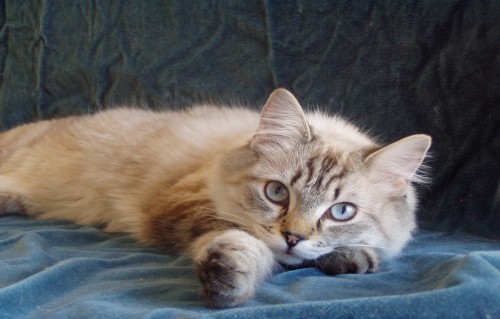
The Ragdoll standard describes a blue-eyed colourpoint cat. Other varieties, including mink, sepia and solid, exist within certain breeding programmes. Although these cats are not recognised as Ragdolls by many feline registries, they have recently been recognised by both LOOF and TICA under the name Cherubim, and included into a "Ragdoll Group" Breed .
This fascinating chapter of Ann Baker's breeding work, now re-emerging in the modern cat fancy, will be explored in a dedicated article series on our blog, Stories of the Ragdoll.
Conclusion
The Ragdoll in Cat Shows
The difficult years of recognition are long gone. Today, the Ragdoll is accepted by all major cat associations and is among the most popular breeds in the show hall. It is rare to attend a cat show without seeing several Ragdolls. Exhibitions remain one of the best ways to discover the breed, meet breeders and gain a deeper appreciation of its remarkable temperament.
The Ragdoll According to Ann Baker
A Ragdoll is more than a coat, however beautiful that coat may be. Colour, pattern and white spotting contribute to its appearance, but they do not define the breed. Ann Baker always maintained that the true essence of the Ragdoll lies first and foremost in its temperament.
Its future seemed brighter than ever, but will the qualities that made the breed unique be preserved?
A Darkening Future
With the complicity of accommodating registries and ambiguous regulations, a handful of opportunists are appropriating the names of some very fine bloodlines to produce their kittens. Moreover, in practising questionable outcrosses, their cats show ever denser coats, ever shorter muzzles and ever smaller ears — cats that are politely referred to as "hypertypes".
The Siren Song
Many Western breeders have fallen into the net of this siren song. Thanks to their spectacular coats, their cats achieve tremendous success in the show hall, while their fluffy kittens sell like hot cakes. But, the question is : "Are they still Ragdolls?"
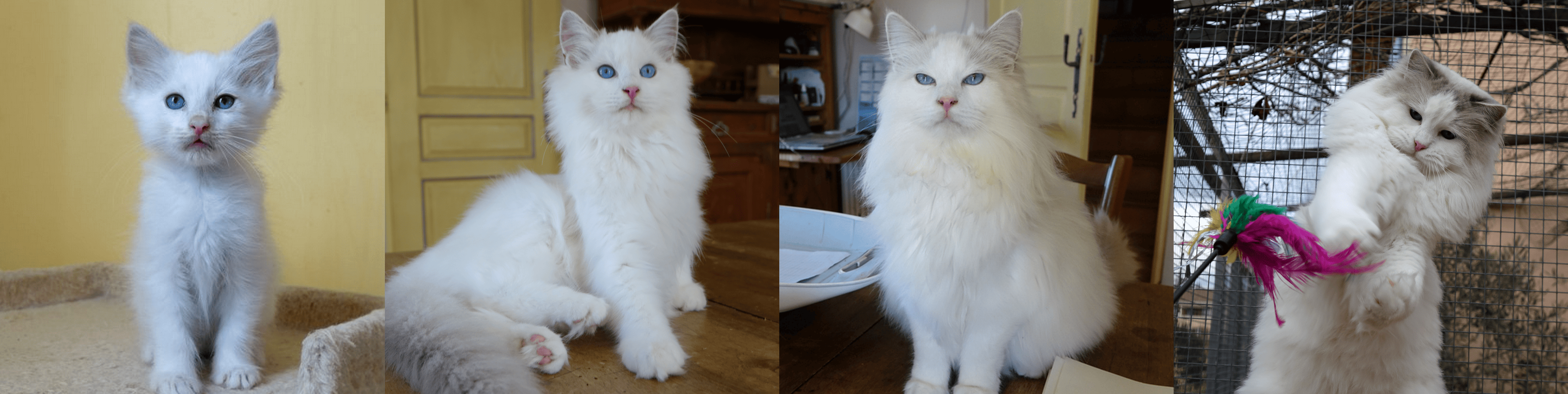
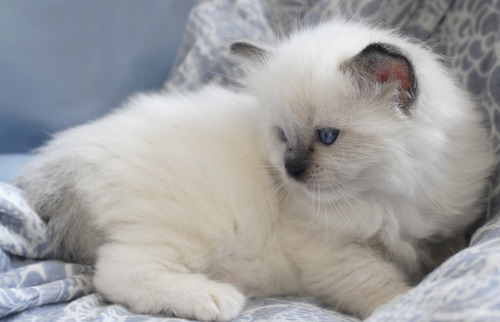
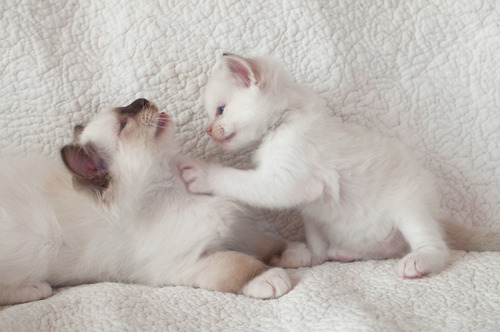
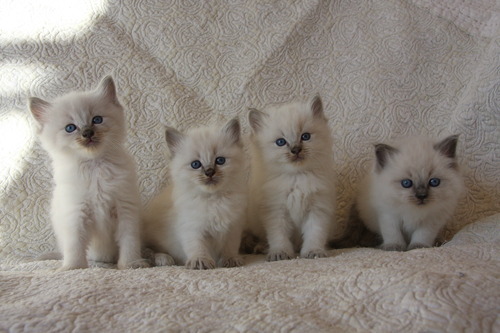
A Ragdoll kitten is all but fluffy. Is even rather awkward. But the ugly duckling, however, gradually mature into a magnificent swan. Patience is required: for Ragdolls, like for cherries, maturity takes time.
A Small Flickering Light
This is why I've chosen to work alongside Ivanne Pincedé of Kind of Magic, focusing exclusively on so-called Traditional Ragdolls — cats whose pedigrees trace back to the original foundation lines documented by Denny and Laura Dayton.
Perhaps we are dinosaurs in a changing world. Yet, like the hummingbird carrying drops of water to fight a forest fire, we simply do our part, however small it may be.